Designing Homes That Fit Greenwood’s Historic Charm
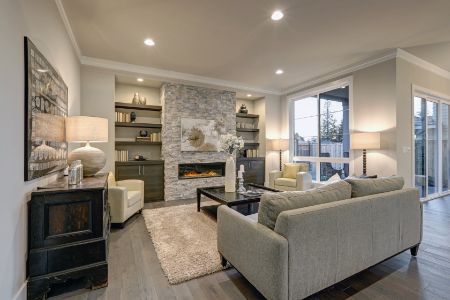
Greenwood, South Carolina, is known for its welcoming neighborhoods, mature tree-lined streets, and homes that reflect generations of Southern character. Many properties throughout the area feature architectural details that are difficult to replicate today, from handcrafted trim to beautiful hardwood flooring and classic porch designs. For homeowners who want to refresh these spaces, the challenge often lies in balancing modern living with the preservation of original charm.
Thoughtful interior design allows homeowners to bring new life to historic houses while honoring the architectural details that make them unique. With the right approach, it is possible to create interiors that feel comfortable, stylish, and modern without erasing the history that gives these homes their personality.
Understanding the Character of Greenwood’s Historic Homes
Before making design decisions, it is important to understand what gives a historic home its distinctive character. Many older homes in Greenwood were built during periods when craftsmanship and architectural detail were central to residential construction. Elements such as crown molding, original fireplaces, tall windows, and built-in cabinetry were often standard features.
Rather than replacing these details, successful design projects highlight and enhance them. Historic homes often benefit from design plans that respect the original layouts while making small adjustments to improve functionality. This approach keeps the home connected to its past while allowing it to meet modern lifestyle needs.
When homeowners begin planning renovations, recognizing which features should be preserved helps guide the entire process.
Restoring and Celebrating Original Hardwood Floors
Few features capture the spirit of a historic home quite like original hardwood floors. In many Greenwood properties, these floors have remained intact for decades and continue to add warmth and authenticity to the home.
Refinishing existing hardwood floors can dramatically transform a space while maintaining its original character. Sanding away years of wear and applying a fresh stain or protective finish can reveal the natural beauty of the wood beneath. Many homeowners choose stains that complement both historic architecture and modern furnishings.
In rooms where the flooring has been damaged or replaced over time, reclaimed wood can provide a similar look and feel. This approach allows homeowners to maintain the home's visual continuity without sacrificing durability or performance.
Preserving these floors often becomes one of the most rewarding aspects of updating an older house.
Choosing Lighting That Honors Historic Style
Lighting plays an important role in shaping the atmosphere of any interior. In historic homes, the right fixtures can highlight architectural details while reinforcing the home’s traditional style.
Period-inspired lighting does not necessarily mean reproducing antiques exactly. Many modern manufacturers create fixtures that draw inspiration from classic Southern designs while offering updated functionality and energy efficiency.
For example, homeowners might select brass chandeliers, lantern-style pendants, or simple glass sconces that complement the home’s existing trim and millwork. These fixtures help reinforce the home’s historical character while ensuring that lighting meets the practical needs of modern living.
Thoughtful placement of lighting can also highlight original features such as fireplaces, staircases, and built-in shelves.
Mixing Contemporary Furniture with Traditional Architecture
One of the most effective ways to refresh a historic home is by combining traditional architectural elements with contemporary furniture. This contrast often creates a balanced, inviting space that feels both timeless and current.
Instead of filling every room with antique furniture, many homeowners choose a curated mix of styles. A modern sofa can sit comfortably in a living room with original molding, while sleek dining chairs can complement a vintage wood table.
This approach keeps the interior from feeling overly formal or dated. It also allows homeowners to incorporate personal style while respecting the home's architectural framework.
Careful attention to scale and color helps ensure that new pieces blend naturally with older surroundings.
Using Color to Highlight Architectural Details
Color selection can significantly influence how historic features are perceived within a space. Lighter paint tones often emphasize intricate trim and decorative molding, allowing these details to stand out.
Many homeowners in Greenwood choose soft neutrals such as warm whites, gentle grays, or muted creams to create a calm backdrop for historic features. These colors reflect natural light well and help rooms feel open and welcoming.
Accent colors can then be introduced through furniture, artwork, or textiles. This strategy keeps the walls from overwhelming original architectural elements while still allowing homeowners to express personality throughout the home.
When applied thoughtfully, color becomes a tool for celebrating the craftsmanship of older houses.
Preserving Built-In Features and Custom Woodwork
Historic homes frequently include built-in shelves, window seats, and custom cabinetry that were designed specifically for the space. These features contribute to the home’s individuality and often serve both decorative and practical purposes.
Rather than removing these elements during renovations, many homeowners choose to restore them. Refinishing wood surfaces, updating hardware, or applying a fresh coat of paint can help these built-ins feel refreshed without losing their historical significance.
Preserving original woodwork also helps maintain the continuity of the home’s architectural design. In many cases, these details cannot easily be replicated in modern construction.
Creating Functional Layouts Without Erasing History
While historic homes have undeniable charm, their layouts were often designed for lifestyles that differ from today’s expectations. Smaller kitchens, closed-off rooms, and limited storage are common characteristics.
Updating these layouts requires careful planning to ensure that the home’s character remains intact. Instead of removing every wall to create a completely open floor plan, some homeowners opt for partial openings or wider doorways that improve flow while maintaining structure.
Strategic improvements such as built-in storage, updated kitchens, and improved lighting can greatly enhance functionality without compromising architectural integrity.
These thoughtful changes allow historic homes to support modern lifestyles while retaining their original spirit.
Integrating Modern Comfort with Historic Style
Modern conveniences are essential for everyday living, but they do not have to conflict with the appearance of a historic home. Heating and cooling systems, smart home technology, and updated appliances can be incorporated in ways that remain visually unobtrusive.
For example, hidden wiring, discreet vents, and carefully chosen appliance finishes help maintain the home's aesthetic. In kitchens and bathrooms, blending classic materials like marble or subway tile with modern fixtures can achieve a balanced look.
This approach ensures that homeowners enjoy the benefits of modern living while preserving the home's visual character.
Why Thoughtful Design Matters for Historic Properties
Historic homes are more than simply places to live. They represent the craftsmanship, culture, and architectural traditions of the communities in which they were built. In Greenwood, many of these homes continue to serve as landmarks that connect residents to the city’s past.
When renovations are handled thoughtfully, homeowners can protect these architectural treasures while making them comfortable for contemporary living. Skilled interior design professionals understand how to balance preservation with innovation, ensuring that updates feel natural rather than disruptive.
A carefully planned project can highlight original details, improve daily functionality, and create interiors that feel both elegant and welcoming. This approach reflects the growing appreciation for Greenwood interior design that respects history while embracing modern comfort.
Designing a Future That Honors the Past
Historic homes offer opportunities that newer construction often cannot replicate. Their craftsmanship, character, and architectural beauty provide a foundation for truly distinctive living spaces.
By preserving original materials, selecting complementary furnishings, and making thoughtful updates, homeowners can create interiors that celebrate the past while supporting the future. Every detail, from lighting choices to furniture placement, contributes to a cohesive design that honors the home’s heritage.
With the right guidance, these homes can continue to tell their stories for generations to come while offering all the comfort and functionality today’s homeowners expect.
If you are ready to transform your home while honoring its character, contact Home By Kelly & Co today to explore expert Greenwood interior design services tailored to historic homes.