How to Transform Outdated Furniture into Statement Pieces with Strategic Color Placement
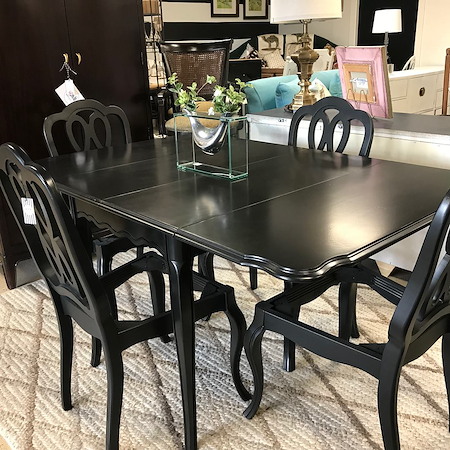
Outdated furniture does not have to be replaced to feel fresh, refined, and relevant. With thoughtful color placement and professional furniture painting, even the most tired pieces can become striking focal points that anchor an entire room.
As interior design professionals, we approach painted furniture differently than hobbyists. It is not just about covering old wood with a trending color. It is about proportion, contrast, balance, and architectural emphasis. When done intentionally, painted furniture enhances spatial flow, supports the surrounding palette, and elevates the overall design story of the home.
Start with the Structure, Not the Color
Before choosing paint, evaluate the structure of the piece. Does it have carved trim, recessed panels, turned legs, inset drawers, or decorative molding? These details create opportunities for layered color strategies.
A common mistake homeowners make is applying one solid color to every surface. While monochromatic finishes can work in modern spaces, many traditional or transitional pieces benefit from contrast. The key is identifying which elements deserve emphasis and which should visually recede.
When we incorporate techniques rooted in Greenwood interior design, we look at how the piece interacts with local architectural styles and lighting conditions. Southern homes often feature rich trim work and layered interiors, making strategic contrast especially impactful.
The Power of Two-Tone Techniques
Two-tone painting is one of the most effective ways to modernize outdated furniture without losing character.
1. Frame and Panel Contrast
For dressers, cabinets, and hutches with inset panels, paint the outer frame one color and the inner panels another. This creates depth and dimension, drawing attention to craftsmanship. A deep charcoal frame paired with soft cream panels can feel refined and timeless. Alternatively, muted sage paired with warm white introduces subtle color without overwhelming the space.
2. Body and Drawer Variation
Painting the body of a dresser one color and the drawers another adds movement and visual interest. This approach works beautifully in children’s rooms, creative studios, or contemporary interiors. Keep one tone neutral to maintain balance.
3. Light and Dark Anchoring
Darker lower sections paired with lighter upper portions create grounding. For example, on a china cabinet, a darker base visually stabilizes the piece while a lighter top keeps it airy. This technique prevents tall furniture from feeling top heavy.
Two-tone finishes feel intentional when the contrast relates to the surrounding room palette. Pull undertones from nearby textiles, flooring, or wall color to create harmony.
Painted Accents That Elevate Without Overpowering
Sometimes transformation does not require a full repaint. Strategic accents can shift a piece from outdated to distinctive.
Highlighting Trim and Molding
If a cabinet has ornate molding, consider painting the body one neutral shade and accenting the trim in a complementary tone. Even a slight shift in shade, such as warm white against soft beige, enhances detail without creating harsh contrast.
Interior Pop of Color
Painting the interior of bookshelves or glass cabinets a bold hue introduces surprise and personality. Navy, emerald, or muted terracotta can energize a neutral room. This technique keeps the exterior cohesive while allowing expressive color inside.
Leg and Base Definition
Dining chairs, side tables, and buffets often feature elegant legs that get lost in uniform finishes. Painting legs slightly darker or lighter than the body subtly defines their silhouette and enhances proportion.
Professional furniture painting considers how light hits these surfaces throughout the day. Natural light can amplify undertones, so test placement before committing to a final scheme.
Color Blocking for Modern Impact
Color blocking is ideal for homeowners seeking a bold, contemporary transformation. This method uses clearly defined sections of color to create graphic impact.
Geometric Blocking
Apply crisp lines across flat surfaces such as cabinet doors or desk fronts. For example, a diagonal split between two complementary tones can turn a simple dresser into a statement piece.
Vertical Emphasis
Painting vertical sections in alternating shades elongates the appearance of the furniture. This works well on tall wardrobes or storage cabinets.
Horizontal Grounding
Horizontal blocks across lower thirds can visually anchor lightweight pieces. This technique is particularly effective in open concept homes where furniture must hold its own against expansive walls.
Color blocking requires precision. Clean lines, proper surface preparation, and high-quality finishes are essential for achieving a professional result rather than a DIY look.
Highlighting Architectural Details for Depth
Older furniture often includes craftsmanship that newer pieces lack. Strategic painting draws attention to those details instead of masking them.
Carved Elements
Use subtle contrast within carved areas to enhance texture. A slightly darker glaze or wash can settle into grooves, creating dimension without appearing distressed.
Recessed Panels
Paint recessed areas deeper than surrounding frames to create shadow and depth. This technique works especially well in transitional and traditional interiors.
Hardware Coordination
Never overlook hardware. Brass, matte black, brushed nickel, or antique bronze pulls can dramatically shift the character of painted furniture. Sometimes replacing outdated knobs transforms a piece as much as the paint itself.
When selecting hardware, consider finish temperature. Warm metals pair well with earthy greens and creamy whites. Cool metals complement blues, grays, and crisp neutrals.
Choosing Colors That Support the Room
A statement piece should complement its environment rather than compete with it. Before selecting paint, evaluate:
- Wall color and undertones
- Flooring material and stain
- Upholstery and textile patterns
- Natural and artificial lighting
In many Greenwood homes, layered neutrals dominate interiors. Introducing color through painted furniture can add interest without overwhelming architectural elements. Soft muted tones often feel more timeless than highly saturated shades, especially in living rooms and primary bedrooms.
The goal is balance. A bold navy dresser in a neutral bedroom becomes a focal point. The same navy applied to every surface in the room could feel heavy.
Surface Preparation and Finish Quality
No strategic color placement can compensate for poor preparation. Professional results require:
- Cleaning and degreasing
- Sanding for adhesion
- Proper priming
- High-quality paint application
- Durable topcoat protection
Skipping preparation leads to chipping, uneven coverage, and reduced longevity. As design professionals, we treat painted furniture as a long-term investment, not a temporary fix.
Finish selection also matters. Matte creates softness and sophistication. Satin offers durability with subtle sheen. Semi-gloss highlights architectural details and is ideal for high-traffic surfaces.
Creating a Cohesive Design Story
A transformed piece should feel intentional within the broader design narrative. For example:
- A deep forest green sideboard can echo botanical accents in artwork.
- A two-tone cream and taupe dresser can reinforce layered neutrals in a serene bedroom.
- A bold color-blocked console can energize a modern entryway.
Strategic placement of color turns furniture into a curated design element rather than a standalone project.
When to Call a Professional
While many homeowners attempt DIY projects, achieving clean lines, durable finishes, and balanced color placement often requires experience. Professionals understand proportion, undertones, lighting, and long-term durability.
We do not simply repaint furniture. We reimagine it in a way that enhances the architecture of the home and reflects the client’s style.
If you are ready to elevate your space with professional Greenwood furniture painting, contact Home By Kelly & Co today to transform your outdated pieces into custom statement designs.